Results that feel personal
Michael Webb Geoconsulting Ltd. (MWGL) was established in 2024 to provide geological consulting services and geoscience and engineering training courses to the Canadian petroleum industry.
MWGL specializes in production/reservoir geology, pool studies, reservoir characterization, acquisition & divestiture evaluations, project reviews, technical peer reviews, and geological training that focuses on clastic reservoirs and depositional systems.
Training courses
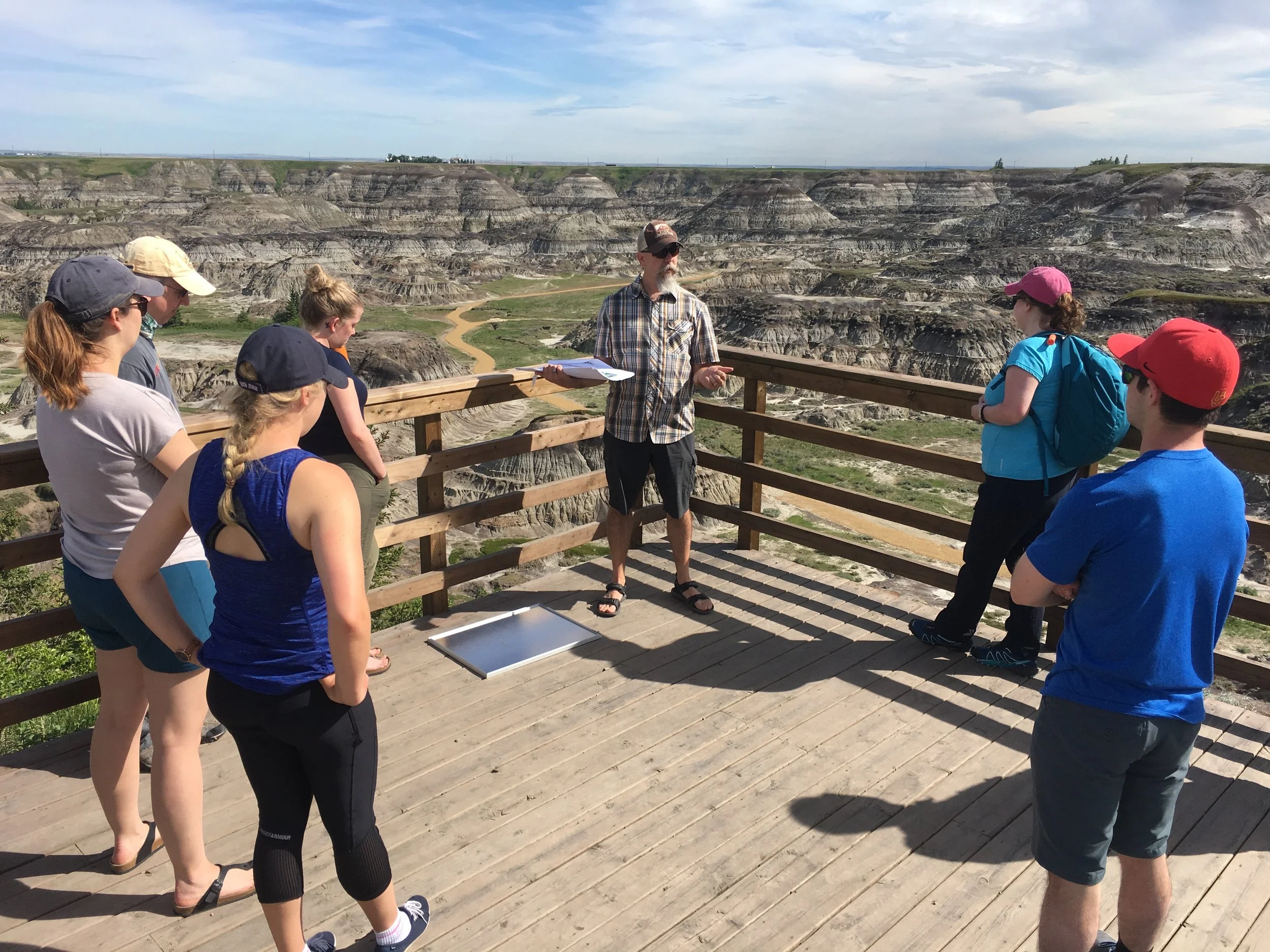
Other Options not shown in detail:
• Core Workshops such as “Heavy Oil Reservoirs of Alberta”, “Post-steam Core from SAGD Assets”, asset-based core workshops (e.g., Firebag SAGD asset), theme-based core workshops (e.g., caprock, water disposal, lean bitumen)
• “Geology and Geophysics 101”, “Core 101”, Short courses for non-geoscience professionals
• All courses can be modified for clients
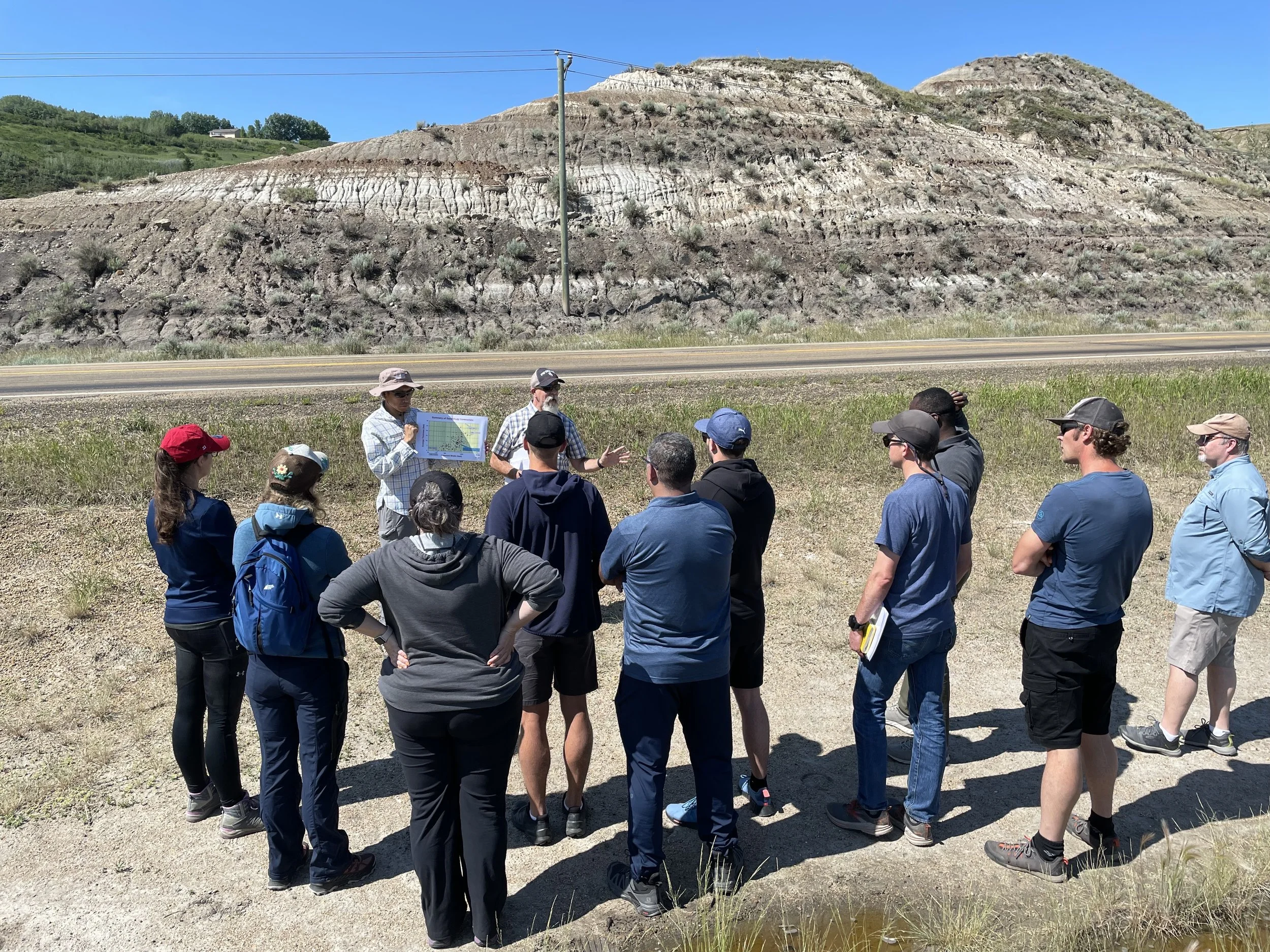
• Heavy Oil Geology for Engineers and Non-Geologists
• Heavy Oil Reservoirs of Alberta
• Reservoir Characterization Field Course – Drumheller
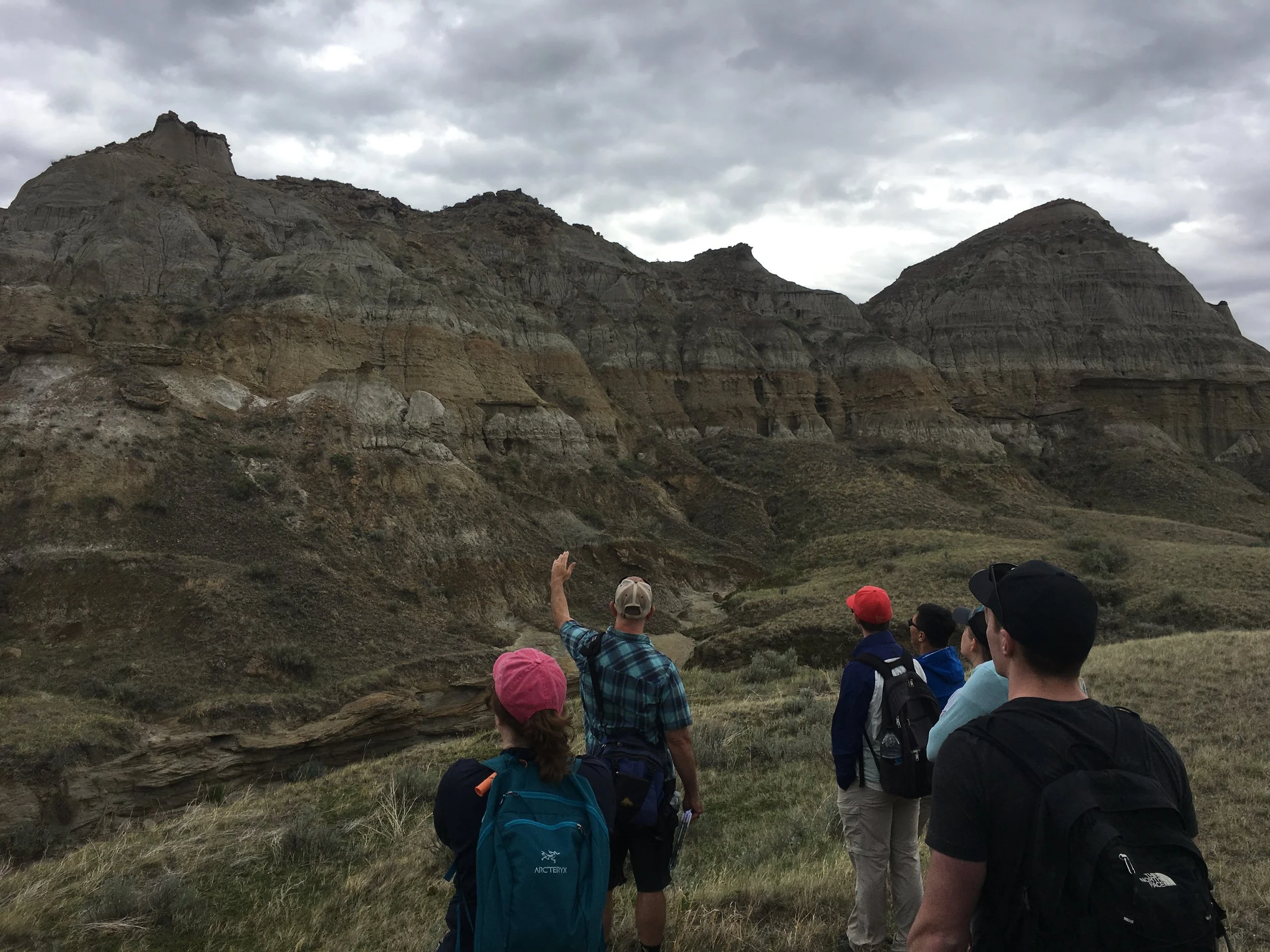
• Shoreface and Marginal Marine Environments of Deposition
• Sedimentology and Stratigraphy of Fluvial Systems – Implications for Reservoir Heterogeneity
• Petroleum Systems Field Seminar • Modern Fluvial Field Seminar • Fluvial and Coastal Clastic Depositional Environments – MODERN AND ANCIENT field course
Previous Training Courses
Every event we host is designed with intention, from the atmosphere we create to the way each session flows.
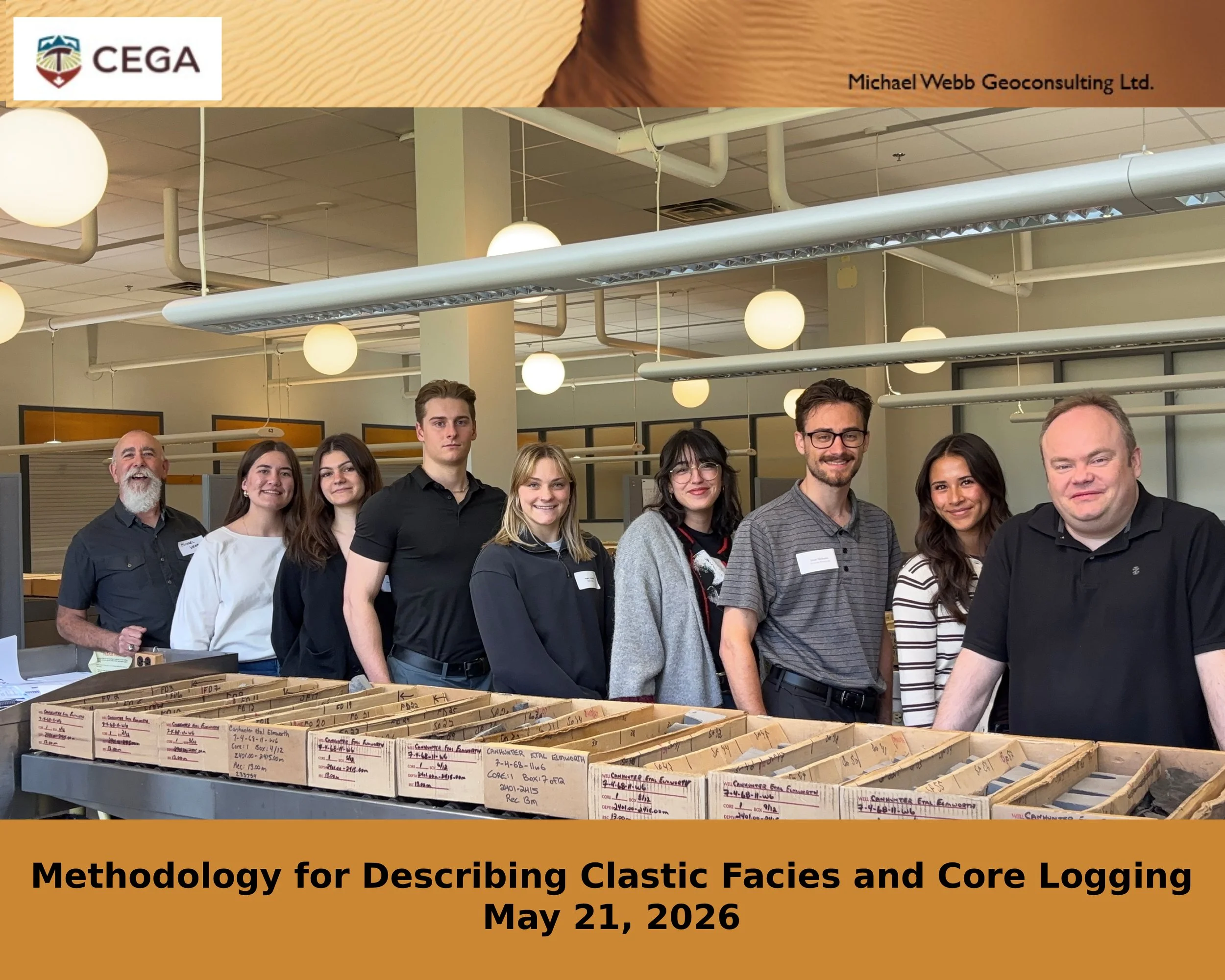
Bootcamp Course Series: Methodology for Describing Clastic Facies and Core Logging
Instructor: Michael Webb, Michael Webb Geoconsulting ltd.
Location: AER Core Research Centre
May 21, 2025 | 8:15am-4:30pm (MST)
Course Overview
This full day workshop will give summer students, entry-level and junior-level geologists (and more senior geologists who may need a refresher) the practical, hands-on training and experience for critically observing and graphically logging clastic sedimentary facies in core.
Covered in detail are methods and techniques for the following:
• Description and recording of contacts (surfaces), lithologies, sedimentary structures, fossils and trace fossils (as applicable);
• calibration of core to downhole well logs, core analysis, petrophysical and geochemical data;
• recognition of hydrocarbon staining;
• sampling protocols and strategies;
• conventional and unconventional sampling, for porosity and permeability, and special core analyses (e.g. capillary pressure, m/n data etc.); and
• preliminary facies interpretations.
The workshop will consist of lectures, followed by describing and graphically logging cores. Described core will be tied to petrophysical logs and core analysis, and preliminary facies models identified. This course is designed to give participants individual mentoring so they can gain practical experience and confidence in all aspects of getting a core description onto paper. The methodology is easily transferred to any software package.
Tentative Agenda- Methodology for Describing Clastic Facies and Core Logging
8:15 – 8:45: 1 – Introduction
8:45 – 9:45: 2 - Methodology for logging clastic core
9:45 – 10:00: Break
10:00 – 11:00: 3 - Core Attributes
11:00 – 12:00: 4 - Clastic Facies
12:15 – 1:00: Lunch
1:00 – 2:45: 5 - Core Exercise
2:45 – 3:45: 6 - Sequence Stratigraphy
3:45 – 4:15: 7 - Summary and Conclusions
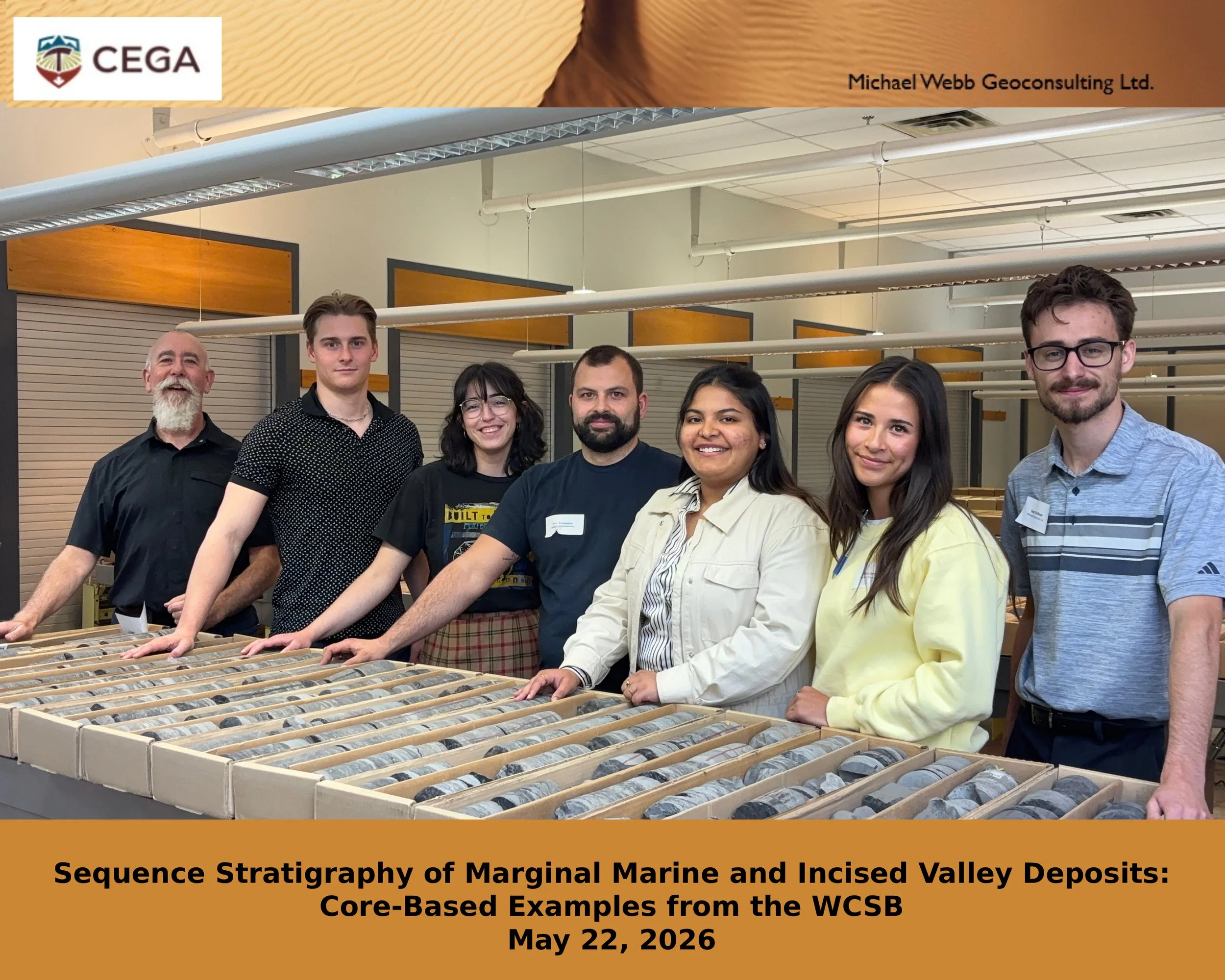
Bootcamp Course Series: Sequence Stratigraphy of Non-marine, Marginal marine and Incised Valley
Deposits: Core-Based Examples from the WCSB
Instructor: Michael Webb, Michael Webb Geoconsulting ltd.
Location: AER Core Research Centre
May 27-28, 2025 | 8:15am-4:30pm (MST)
Course Overview
This two-day workshop will give summer students, entry-level and junior-level geologists (and more senior geologists who may need a refresher) a practical introduction to core-based Clastic Sequence Stratigraphy.
The course is designed for geoscientists, geophysicists, and engineers requiring an “hands-on” understanding of the principles and applications of clastic sedimentology and sequence stratigraphy in non-marine and marginal marine depositional settings, and how to apply these principles to exploration and production projects in the Western Canada Sedimentary Basin (WCSB).
Sequence stratigraphy provides a framework for the integration of geological, geophysical, and engineering data, with the aim of predicting the distribution of reservoir, source rock and seal lithologies. It gives the geoscientist and engineer a powerful predictive tool for regional basin analysis, shelf-to-basin correlation, and characterization of reservoir heterogeneity. This course will examine the geological principles, processes and terminology related to sequence stratigraphic. The strength of this course is the application of these basic principles to subsurface WCSB datasets in a series of “hands-on” exercises and core.
Course Content
• Basic concepts and terminology of sequence stratigraphy
• The stratigraphic building blocks of depositional sequences
• Recognition criteria for the identification of depositional sequences in outcrops, cores, well logs and seismic.
• Controls on sequence stratigraphic architecture
• Application of sequence stratigraphy in siliciclastic non-marine and shallow-marine depositional settings
• WCSB Exploration and production case histories and strategies
Objectives: Upon completion of the course, participants will be able to:
• explain the concepts of sequence stratigraphy and their application.
• visualize and interpret siliciclastic non-marine and shallow-marine depositional settings in subsurface data.
• identify flooding surfaces, parasequences, sequence boundaries, incised valleys and shoreline deposits.
• apply pragmatic, fit-for-purpose approaches to sequence stratigraphic interpretation.
• utilize sequence stratigraphy to develop exploration and production strategies
Course Agenda:
Day 1
8:00 – 8:45- Introduction and Agenda
8:45 – 9:45- Facies and Depositional Systems
9:45 – 10:00- Break*
10:00 – 11:15- Sequence Stratigraphy
11:15 – 12:15- Correlation Exercise – Lithostratigraphy vs Chronostratigraphy
12:15 – 1:00- Lunch*
1:00 – 2:00- Incised Valleys
2:00 – 2:15- Break*
2:15 – 4:00- Core/Correlation Exercise – Viking XL Incised Valley (5 core and x-section)
4 :00 – 4:15- Day 1 - Wrap up
Day 2
8:00 – 8:15- Introduction to Day 2
8:15 – 9:15- Non-Marine Depositional Environments and Accommodation
9:15 – 9:30- Break*
9:30 – 11:00- Core – WCSB Low to High Accommodation Fluvial Transect (9 core)
11:00 – 12:00- Estuarine Systems
12:00 – 1:00 Lunch*
1:00 – 1:45- Correlation Exercise – Datums (x-sections)
1:45 – 2:00- Break*
2:00 – 2:45- Shoreface, BI, Delta and Shelf
2:45- 3:45- Correlation Exercise – Core / PS Well Log Stacking Exercise
3 :45 – 4:15- Course Wrap up and Critiques
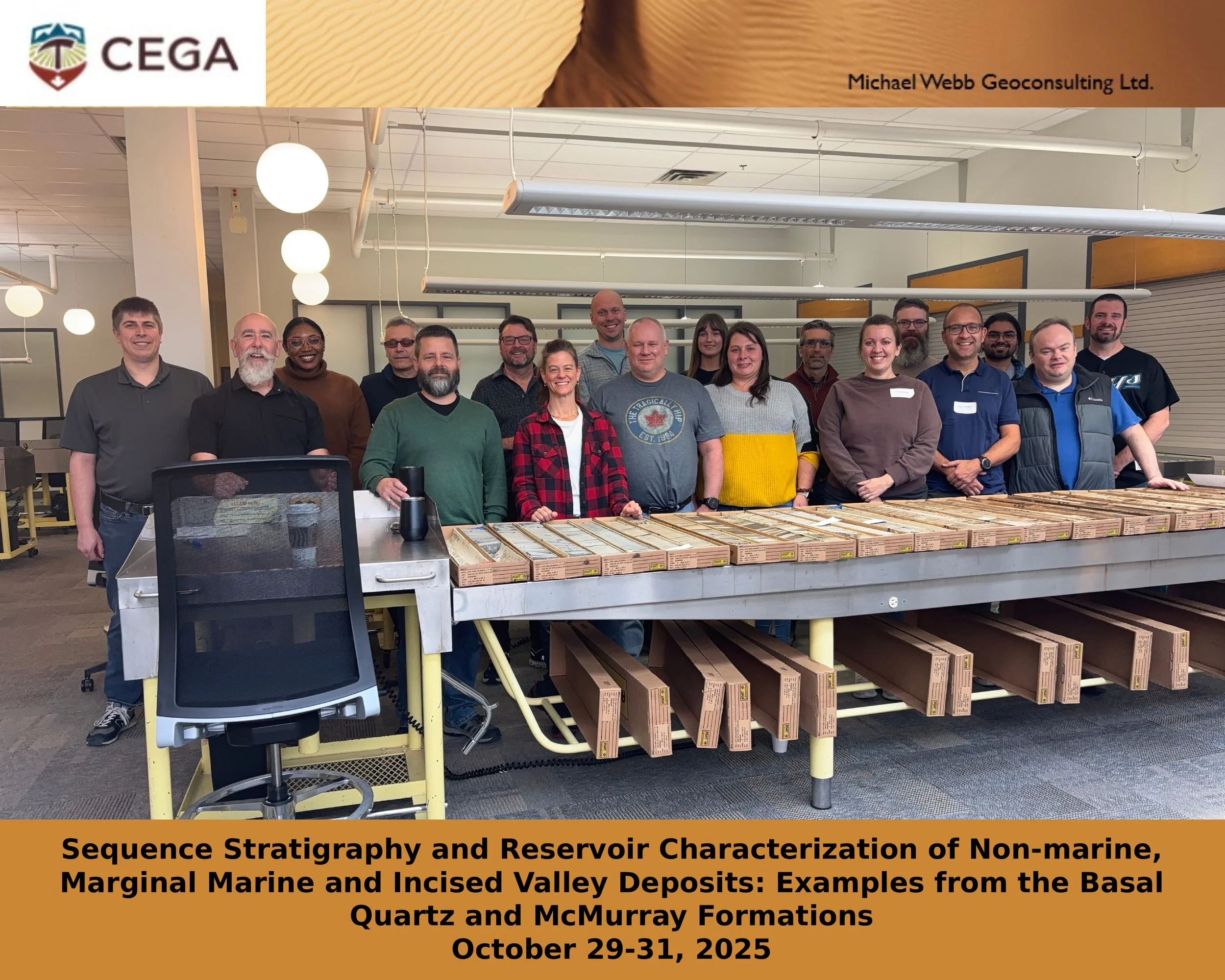
Sequence Stratigraphy and Reservoir Characterization of Non-marine, Marginal Marine and
Incised Valley Deposits: Examples from the Basal Quartz and McMurray Formations
Instructor: Michael Webb, Michael Webb Geoconsulting ltd.
Location: AER Core Research Centre, Calgary AB
October 29-31, 2025, | 8:30am-4:30pm (MST)
Objectives
Sequence stratigraphy provides a framework for integration of geological, geophysical, and engineering data, to predict the distribution of reservoir, source rock and seal lithologies. It gives the geoscientist and engineers a powerful predictive tool for regional basin analysis, shelf-to-basin correlation, and characterization of reservoir heterogeneity. This course makes extensive use of core examples to highlight geological principles, processes, and terms related to sequence stratigraphy as applied to non-marine and marginal marine settings. The geometry and sedimentary fill of incised valleys are highlighted. Utilizing examples from the Lower Cretaceous Basal Quartz and McMurray Formations allows us to compare and contrast the architecture and sedimentary deposits of different Lower Mannville drainage systems across a wide region.
Course Content
• Concepts and terminology of sequence stratigraphy
• Clastic depositional environments
• Recognition criteria for identification of depositional sequences and their components in outcrops, cores, well logs and seismic data
• Petrography, chemostratigraphy, and paleosol/coal stratigraphy as tools to apply sequence stratigraphy in non-marine and marginal marine settings
• Lower Mannville drainage systems and concepts of WCSB Underfilled vs Overfilled foreland basin deposits
• Detailed discussion and examples of incised valleys, including their origin, geometry, and preservation. A variety of incised valley fills will be shown and discussed, occurring across a range from low- to high-accommodation settings
• Core review of regional transects of the Basal Quartz and McMurray Formation across multiple incised valley systems
• Exploration and production play types and case histories from the Lower Cretaceous Basal Quartz Formation and the Lower Cretaceous McMurray Formation
Who Should Attend:
The course is designed for geoscientists, geophysicists, and engineers who require “hands-on” understanding of the
principles and applications of sequence stratigraphy and reservoir characterization. Core examples from across Alberta
are used to highlight play types and their relation to a sequence stratigraphic framework. The geometry and sedimentary
fill of incised valleys are highlighted. Focus is on non-marine, marginal-marine, and incised valley depositional
environments in relation to exploration and production projects, particularly for the Lower Cretaceous Basal Quartz
Formation and McMurray Formation in the Western Canada Sedimentary Basin (WCSB).
Upcoming Events
Check for upcoming events on the CEGA Website: https://cegageos.ca/education/#cid=1913&wid=11301